
TheIronSausage
Two brain cells left.. rubbing together for warmth
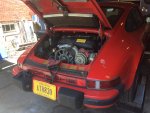
I had a customer bring me his '82 911 SC for a "shaky" oil temp gauge needle, of all things. I've fiddled with this car for about five years, and the owner largely neglects it. He keeps it in the public parking garage downtown except for the spring time. Then he pulls it out, drives it two or three times, and parks it in the grass in his backyard uncovered for the summer. As such, when he brings it to me, I put actual miles on it because it needs to be driven. He's fine with this, and is happy it's in decent hands.
The oil temp gauge is fine. However, the car had no third gear. I investigate, and find a totally disintegrated shifter bushing in the linkage right at the rear of the tunnel. After replacing that, I happened to notice that the engine didn't have the guts that I'd become accustomed to. 200ish BHP in a car with about a 2500 lb curb weight isn't fast, but it's about as quick as you could reasonably want on the street in a sports car. I looked into that, and found that the throttle linkage was only opening the plate just over halfway. Readjusted, and things felt better. A week goes by with me putting a solid hour or so of country driving on it almost every night. The last time I drove it I heard a faint feathering sound from the motor as I brought it back, but chalked it up to air cooled clatter and went inside.
I started it up the next morning, and it sounded like the guts of that motor were clawing their way out of it. I shut it off immediately. I then made a gut wrenching phone call to the owner to basically describe what sounded like rod knock in a motor where a new crankshaft costs $8k. There was other terrible clatter, so it was hard to tell. I wasn't going to run the thing long enough to diagnose it, because if it was the timing chain guides that went, it could bend a valve.. rod knock, new crank, etc.
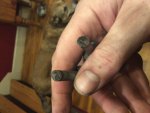
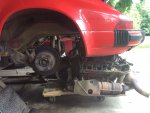
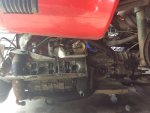
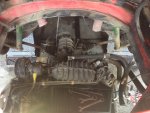
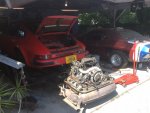
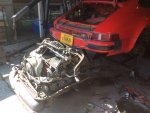
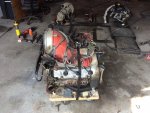
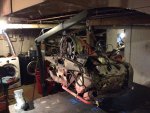
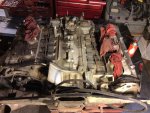
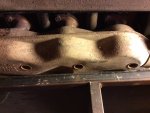
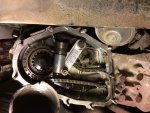
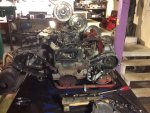
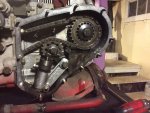
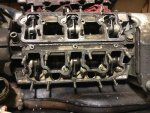
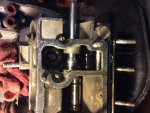
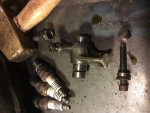
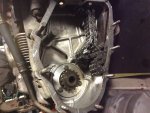
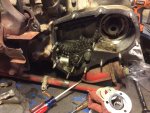
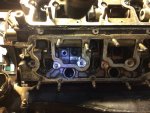
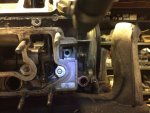
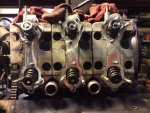
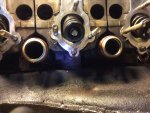
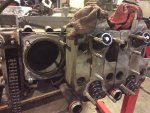
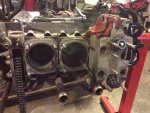
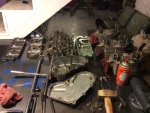
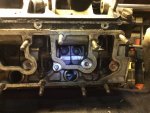
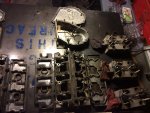
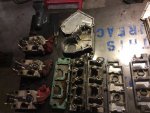
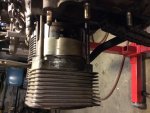
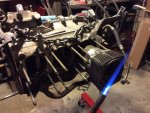
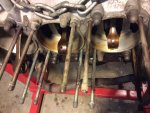
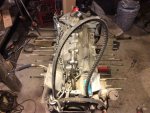
I started digging into it today, and found these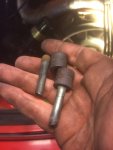
It's possible that 69.5 recognizes those, and knows how much work it entails. For everybody else, those are broken head studs. If you guys take a minute and do an image search for a disassembled 911 motor, you'll see nightmare fuel. 911 motors are split vertically, and longitudinally down the case. Each "head" bolts to the sides of that case individually with studs. Half of the motor (and head studs) is inside the car, and half is under. The head studs on the top, or intake side are made of steel. The studs on the bottom, or exhaust side are made of some proprietary German metallurgy. In short, they're known for breaking on low mileage cars that are exposed to sitting in the elements. Dropping a motor out the back takes about two hours or less if you've done it before, and there's several procedures that require this. R&Ring six cylinder heads bills about 22 hours of labor. That's not parts, broken stud removal, valve job, special tools, or replacing anything else on the engine while it's out.
To sum up, I'm relieved. As much as it sucks for this guy to have to shell out around $5k for a top end rebuild, it's a load off of my mind. As soon as I heard the noise, I was trying to decide what I'd have to sell off to rebuild this guy's motor to make it right. A 911 motor can cost about $8-9k if you do it yourself, and don't need a new crank. I drive the car (and all others) vigorously. I swore that I was hearing rod knock because I had been putting the thing through it's paces the day before. I even pulled the oil filter and dumped it only to find glitter in it. Turns out that I'd previously used that pan to catch the oil from my '63 slant with actual rod knock. The Porsche oil churned up the bearing material I hadn't thought to clean out in my nervousness. That was right before I called him. Code Brown. Turns out that thermal expansion was the reason for the feathering sound after the drive, and the rocks in a bucket sound the next morning. It was combustion escaping the cylinders, also the sharp knocking sound may have been the number six cylinder head contacting the case as the piston in it retracted.
Ultimately, this means it's not directly my fault.
Whew.
but now I have to make another shitty phone call
The oil temp gauge is fine. However, the car had no third gear. I investigate, and find a totally disintegrated shifter bushing in the linkage right at the rear of the tunnel. After replacing that, I happened to notice that the engine didn't have the guts that I'd become accustomed to. 200ish BHP in a car with about a 2500 lb curb weight isn't fast, but it's about as quick as you could reasonably want on the street in a sports car. I looked into that, and found that the throttle linkage was only opening the plate just over halfway. Readjusted, and things felt better. A week goes by with me putting a solid hour or so of country driving on it almost every night. The last time I drove it I heard a faint feathering sound from the motor as I brought it back, but chalked it up to air cooled clatter and went inside.
I started it up the next morning, and it sounded like the guts of that motor were clawing their way out of it. I shut it off immediately. I then made a gut wrenching phone call to the owner to basically describe what sounded like rod knock in a motor where a new crankshaft costs $8k. There was other terrible clatter, so it was hard to tell. I wasn't going to run the thing long enough to diagnose it, because if it was the timing chain guides that went, it could bend a valve.. rod knock, new crank, etc.
I started digging into it today, and found these
It's possible that 69.5 recognizes those, and knows how much work it entails. For everybody else, those are broken head studs. If you guys take a minute and do an image search for a disassembled 911 motor, you'll see nightmare fuel. 911 motors are split vertically, and longitudinally down the case. Each "head" bolts to the sides of that case individually with studs. Half of the motor (and head studs) is inside the car, and half is under. The head studs on the top, or intake side are made of steel. The studs on the bottom, or exhaust side are made of some proprietary German metallurgy. In short, they're known for breaking on low mileage cars that are exposed to sitting in the elements. Dropping a motor out the back takes about two hours or less if you've done it before, and there's several procedures that require this. R&Ring six cylinder heads bills about 22 hours of labor. That's not parts, broken stud removal, valve job, special tools, or replacing anything else on the engine while it's out.
To sum up, I'm relieved. As much as it sucks for this guy to have to shell out around $5k for a top end rebuild, it's a load off of my mind. As soon as I heard the noise, I was trying to decide what I'd have to sell off to rebuild this guy's motor to make it right. A 911 motor can cost about $8-9k if you do it yourself, and don't need a new crank. I drive the car (and all others) vigorously. I swore that I was hearing rod knock because I had been putting the thing through it's paces the day before. I even pulled the oil filter and dumped it only to find glitter in it. Turns out that I'd previously used that pan to catch the oil from my '63 slant with actual rod knock. The Porsche oil churned up the bearing material I hadn't thought to clean out in my nervousness. That was right before I called him. Code Brown. Turns out that thermal expansion was the reason for the feathering sound after the drive, and the rocks in a bucket sound the next morning. It was combustion escaping the cylinders, also the sharp knocking sound may have been the number six cylinder head contacting the case as the piston in it retracted.
Ultimately, this means it's not directly my fault.
Whew.
but now I have to make another shitty phone call
Last edited: