
Dr.Jass
Pastor of Muppets
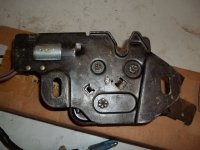
Over the weekend, browsing around the 'Bay, I found an interesting item for sale: An NOS factory electric hood latch, apparently for '73-'75 C-bodies. During a call with my GA friend last night, I axed him if he'd ever heard of such a thing. He had not, but was intrigued by it. It looks like your standard hood latch, except there's a solenoid built into it.
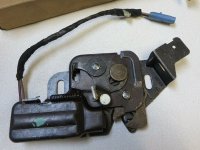
While we were on the phone, I searched the part number and lo, there was another NOS one available for less than 1/3 the price. I decided to go for it and hit "Buy it Now" based on the description for the first one: An electric hood release. I thought it might be cool to open the hood latch from a key fob, especially with hood pins. The standard procedure for pins with a dash-mount hood release is: Get out, pull pins, go back to interior, pop hood, etc. It's all a bit silly; my '73 Charger was like that. Kind of a pain, but I like the security of my hood release being behind a locked door.
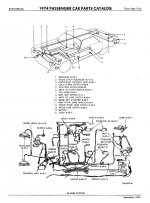
Tonight after I got home, I decided to do a little further research into this item. I found the part number in the '74 catalog, listed as "Hood latch, Use w/Alarm System". Hmmm... alarm system? I must know more about this, so I got a bigger shovel and kept on digging.
Check this out: In 1973, Chrysler started offering a solid-state electronic alarm system on the C-bodies. It's a pretty involved network involving numerous switches, solenoids, etc. The hood latch is but one part of that system. Others include a special switch for the ignition lock cylinder (apart from the ignition switch itself) and switches that connect to the door lock cylinders. Special dome-light (door) plus hood and trunk "pin" switches get in on the fun, too. On the dash, there's a "panic button" labeled "LOCK ALARM". There's an underhood control module in charge of everything. The module's connection actually takes up an entire bay on the bulkhead connector, along with a few other connections. Getting the $102.50 alarm also mandated electric door locks and an interior hood release.
Here's how it works: When the alarm is armed, it monitors all these dome-light and pin switches, and if anyone forces open a door, the trunk lid (tailgate for wagons), or hood, it sounds the horn and flashes all the cars lights--even the dome light. Pretty standard stuff, but what's clever is that the arming is done with the door lock cylinders, and by no other means. If you lock the car with the knobs, or use the power lock switch, the alarm stays offline. Lock either door with the key, though, and it's activated. "No biggie--just break a window," you say. Nope--it will also lose its mind if someone forces or pops the lock cylinder and turns the ignition switch. The alarm is disarmed by unlocking either door with the key. If you're in the car and feel threatened, pushing the LOCK ALARM button immediately locks everything and the horn/lights go ballistic until you push it again.
It's a pretty cool system for 1973, but the coolest part (to me) is the hood latch.
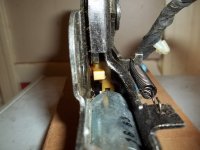
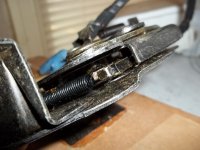
The hood latch is not an electric hood release at all--that's a two-way locking solenoid rather than a release. When the alarm is activated by locking the door, the module activates the solenoid on the hood latch. That solenoid disengages the cable lever from the latching mechanism. The hood latch will not work until the alarm is disabled. Y'know how a car's door handle feels like it's not connected to anything if the door is locked? This is the same thing: Pull the hood release, and all you're moving is the cable. The lever freewheels and nothing happens. Even if you reach up behind the grille and pull the latch lever manually, the hood still won't open. There is no "secret manual override" that, once you know the trick, allows you to open the hood with the alarm active. Being a two-way solenoid, it doesn't stay powered to lock the hood. It activates with a pulse and powers off, so pulling its plug to cut the power doesn't affect the lock. It deactivates with another pulse, which I expect is of reversed voltage.
So if there's no override, whattya do if the battery dies with the alarm on, and hence the hood locked? Excellent question, Smithers. Here's Chrysler's advice, per the decal installed on cars equipped with the alarm package:
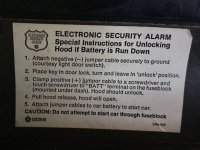
Notice that you have to leave the key in the unlock position when you apply power--unlocking the car with the key with no battery power will not shut down the alarm system. That's pretty techie stuff for the early 1970s.
I really like the idea of a locked hood, particularly on my Challenger. I don't need the whole system. The solenoid will work with a ON-OFF-ON momentary switch and a DPDT relay. I could even just use a voltage-reversing switch from a snow plow, though those are big and not easily hidden.
Picture the scenario: I'm gone on vacation and some POS thief decides to break into my garage and steal some of the $7,000 or so worth of Challenger T/A bits--heads, intake, hood, air cleaner base, etc.--off my car for some quick meth money. Alas, Jass locked down the car prior to leaving so the dirtbag breaks the side window. He pulls the hood release handle on the dash and... nothing. He pulls harder and harder, and eventually breaks something but that hood will not open. He's nervous about time now and nothing's working. He gets under the car and fishes about for the hood latch, but pulling it has no effect. Eventually he panics because someone must've heard his floundering by now so he bails empty-handed. I come home to broken window and cable but an intact engine.
Far-fetched? Perhaps, but it'd also keep disrepectful looky-loos from opening my hood while I'm in the convenience store or deter potential joyriders from attempting to hotwire the car underhood. For the $60 total I dropped, it's worth the added security whether I need it or not. It's not what I wanted but I like what it is even better.
While we were on the phone, I searched the part number and lo, there was another NOS one available for less than 1/3 the price. I decided to go for it and hit "Buy it Now" based on the description for the first one: An electric hood release. I thought it might be cool to open the hood latch from a key fob, especially with hood pins. The standard procedure for pins with a dash-mount hood release is: Get out, pull pins, go back to interior, pop hood, etc. It's all a bit silly; my '73 Charger was like that. Kind of a pain, but I like the security of my hood release being behind a locked door.
Tonight after I got home, I decided to do a little further research into this item. I found the part number in the '74 catalog, listed as "Hood latch, Use w/Alarm System". Hmmm... alarm system? I must know more about this, so I got a bigger shovel and kept on digging.
Check this out: In 1973, Chrysler started offering a solid-state electronic alarm system on the C-bodies. It's a pretty involved network involving numerous switches, solenoids, etc. The hood latch is but one part of that system. Others include a special switch for the ignition lock cylinder (apart from the ignition switch itself) and switches that connect to the door lock cylinders. Special dome-light (door) plus hood and trunk "pin" switches get in on the fun, too. On the dash, there's a "panic button" labeled "LOCK ALARM". There's an underhood control module in charge of everything. The module's connection actually takes up an entire bay on the bulkhead connector, along with a few other connections. Getting the $102.50 alarm also mandated electric door locks and an interior hood release.
Here's how it works: When the alarm is armed, it monitors all these dome-light and pin switches, and if anyone forces open a door, the trunk lid (tailgate for wagons), or hood, it sounds the horn and flashes all the cars lights--even the dome light. Pretty standard stuff, but what's clever is that the arming is done with the door lock cylinders, and by no other means. If you lock the car with the knobs, or use the power lock switch, the alarm stays offline. Lock either door with the key, though, and it's activated. "No biggie--just break a window," you say. Nope--it will also lose its mind if someone forces or pops the lock cylinder and turns the ignition switch. The alarm is disarmed by unlocking either door with the key. If you're in the car and feel threatened, pushing the LOCK ALARM button immediately locks everything and the horn/lights go ballistic until you push it again.
It's a pretty cool system for 1973, but the coolest part (to me) is the hood latch.
The hood latch is not an electric hood release at all--that's a two-way locking solenoid rather than a release. When the alarm is activated by locking the door, the module activates the solenoid on the hood latch. That solenoid disengages the cable lever from the latching mechanism. The hood latch will not work until the alarm is disabled. Y'know how a car's door handle feels like it's not connected to anything if the door is locked? This is the same thing: Pull the hood release, and all you're moving is the cable. The lever freewheels and nothing happens. Even if you reach up behind the grille and pull the latch lever manually, the hood still won't open. There is no "secret manual override" that, once you know the trick, allows you to open the hood with the alarm active. Being a two-way solenoid, it doesn't stay powered to lock the hood. It activates with a pulse and powers off, so pulling its plug to cut the power doesn't affect the lock. It deactivates with another pulse, which I expect is of reversed voltage.
So if there's no override, whattya do if the battery dies with the alarm on, and hence the hood locked? Excellent question, Smithers. Here's Chrysler's advice, per the decal installed on cars equipped with the alarm package:
Notice that you have to leave the key in the unlock position when you apply power--unlocking the car with the key with no battery power will not shut down the alarm system. That's pretty techie stuff for the early 1970s.
I really like the idea of a locked hood, particularly on my Challenger. I don't need the whole system. The solenoid will work with a ON-OFF-ON momentary switch and a DPDT relay. I could even just use a voltage-reversing switch from a snow plow, though those are big and not easily hidden.
Picture the scenario: I'm gone on vacation and some POS thief decides to break into my garage and steal some of the $7,000 or so worth of Challenger T/A bits--heads, intake, hood, air cleaner base, etc.--off my car for some quick meth money. Alas, Jass locked down the car prior to leaving so the dirtbag breaks the side window. He pulls the hood release handle on the dash and... nothing. He pulls harder and harder, and eventually breaks something but that hood will not open. He's nervous about time now and nothing's working. He gets under the car and fishes about for the hood latch, but pulling it has no effect. Eventually he panics because someone must've heard his floundering by now so he bails empty-handed. I come home to broken window and cable but an intact engine.
Far-fetched? Perhaps, but it'd also keep disrepectful looky-loos from opening my hood while I'm in the convenience store or deter potential joyriders from attempting to hotwire the car underhood. For the $60 total I dropped, it's worth the added security whether I need it or not. It's not what I wanted but I like what it is even better.